10 Ways Your Partner Can Actually Help You Postpartum (And No, "Holding the Baby While You Shower" Isn't Enough)
May 20, 2026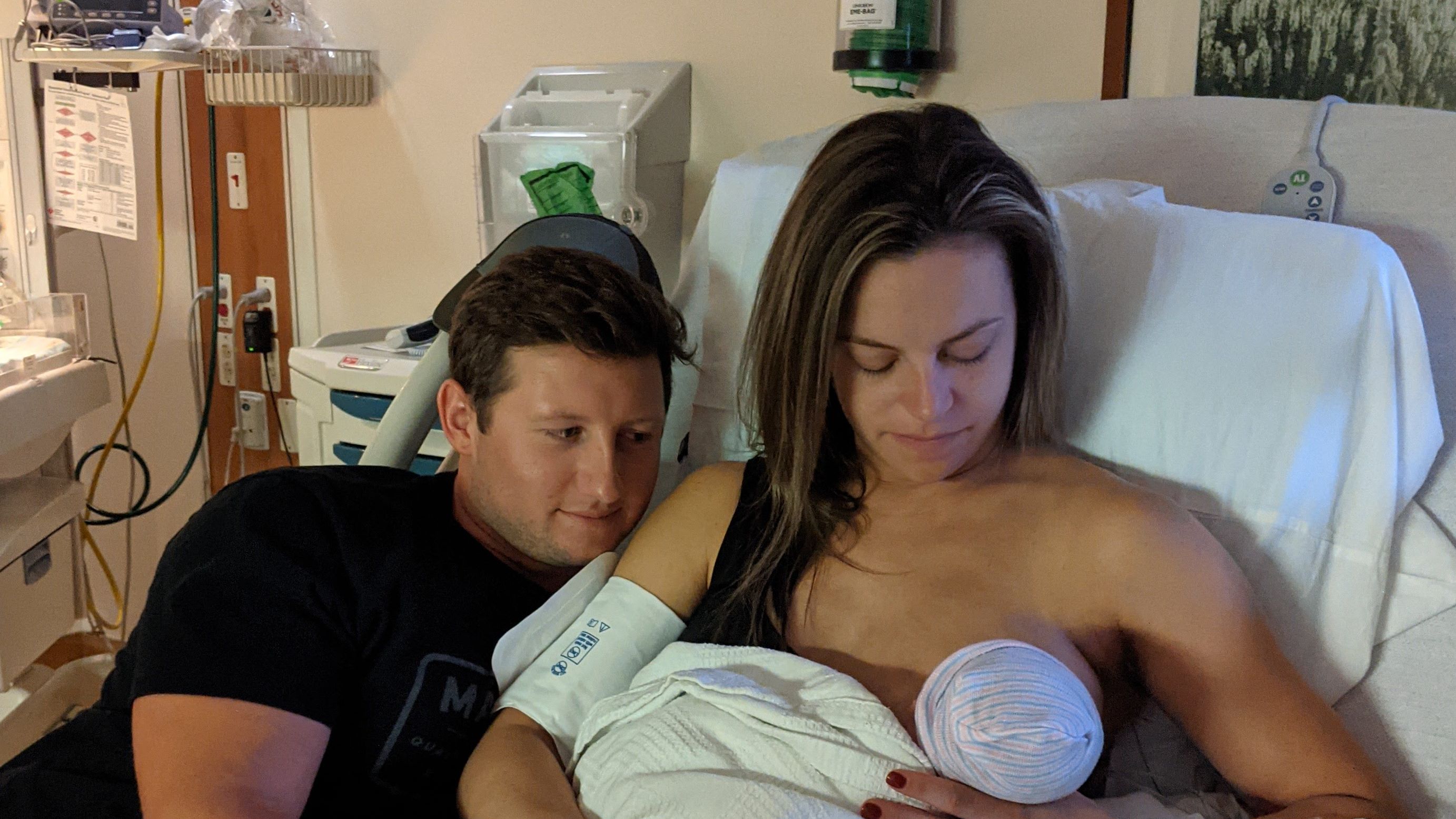
You're three days postpartum. You haven't slept more than 90 consecutive minutes. Your body is doing approximately 47 things at once that no one warned you about PLUS healing. And your partner is standing in the kitchen, coffee in hand, staring at you with the most well-intentioned, utterly helpless look on their face.
"What do you need?" they ask.
You want to cry (valid). Because you don't know what you need. You just know you need something.
Here's the thing: your partner wants to help. So badly. They're just not sure how. And "figuring it out on the fly" is not a postpartum strategy for either of you.
So let's fix that right now. Here are 10 ways your partner can actually help postpartum:
1. Become the household's unofficial manager of every single thing that isn't the baby.
Postpartum isn't just about the baby. It's about the whole environment the baby lives in. Dishes. Laundry. Groceries. The insurance form that someone needs to call about. Your partner's job in those early weeks? All of it. Without being asked. Without a list. Without a gold star for doing it.
The bar is: figure it out and handle it. Neither of you know what you're doing so just go for it.
2. Learn the difference between "fix it" and "just be here."
Partners who identify as problem-solvers (you know who you are) often respond to distress with solutions. She's crying = offer a suggestion. She's overwhelmed = make a plan.
But postpartum doesn't always want a plan. Sometimes it wants a person.
Ask: "Do you want me to help fix this, or do you just need me to sit with you right now?"
That one question is revolutionary (even out of the postpartum experience). Make a note.
3. Do the diaper night shift. Like, the whole thing.
Not "I'll help if it gets bad." Not "I'll change the baby if you need me to.
Every time the birthing parent is up feeding baby.... is a lot. So when the feed is done, wake up change the baby, get them to settle and then go back to bed. This tends to work better than typical "shift work."
Sleep deprivation is not a badge of honor. It is a health crisis. This is one of the most concrete things a partner can do to balance the scales a little more.
4. Protect her rest like it's your job. Because it is.
Field the texts when she's sleeping. Ask visitors to reschedule when she's not up for it. Be the warm, loving, firm gatekeeper between her and the well-meaning mother-in-law who is about to show up unannounced.
Nobody gets through without the password, and the password is: "Did she ask you to come?"
5. Feed her. Actually feed her.
Not "there's stuff in the fridge if you're hungry." Not "did you eat today?" at 4pm.
Hot food. A water bottle that's always full. Snacks within arm's reach when she's nursing at 2am.
She is running on nothing and keeping a human alive. The least we can do is make sure she eats a meal.
6. Learn one real postpartum skill.
Swaddling. Infant massage. How to do a proper soothe and settle. One thing your partner knows deeply enough that they can do it confidently without supervision.
Because "I'm not sure I'm doing it right" is anxiety she does not have capacity for right now. Confident partner = space to breathe. This is not complicated. It just requires preparation.
7. Pay attention to her emotional temperature, not just the obvious stuff.
Postpartum mood changes don't always look like crying on the floor. Sometimes they look like going quiet. Getting short. Staring out the window a beat too long.
Notice. Check in. Don't wait for a crisis before asking "hey, how are you actually doing?"
Not to diagnose. Not to panic. Just to be present enough to see her.
8. Be the one who remembers the appointments.
Pediatrician visits. Her 6-week follow-up. The lactation consultant. The pelvic floor PT she mentioned once and then forgot about because she can't remember what day it is.
Get it in the calendar. Set the reminders. Make the calls.
9. Acknowledge what she's doing out loud.
"You're doing an incredible job."
Say it. Mean it. Say it again next week.
Not because she needs empty praise, but because she is doing something enormous, her body has been through a lot, and she is probably not feeling like herself. The witnessing matters. A lot.
10. Prepare before the baby comes, not after.
The partners who feel most confident postpartum aren't the ones who read a Reddit thread at 3am while the baby screams. They're the ones who came in prepared. Who knew what to expect. Who had a clear picture of what their role was going to look like before it was already happening.
This is the one that makes all the other nine easier.
That's exactly what the Partner Postpartum Guide is for. It's built specifically for the partner who wants to show up, be useful, support without hovering, and advocate without overstepping.
Because "figuring it out together" is beautiful in theory. Walking in prepared is where the magic actually happens.
Want more tips, tricks, and an actual guide to help you postpartum?
Grab the Postpartum Partner Guide
You've got this. Both of you.
Sending love (and a full night of sleep, if I could),
Kyndrick
*photo shared with client permission*
SUBSCRIBE FOR WEEKLY Pregnancy, Birth, Postpartum Tips, Tricks, and Info!
We hate SPAM. We will never sell your information, for any reason.