
Returning to Work and Pumping Without Losing Your Supply (Or Your Mind)
Oct 20, 2026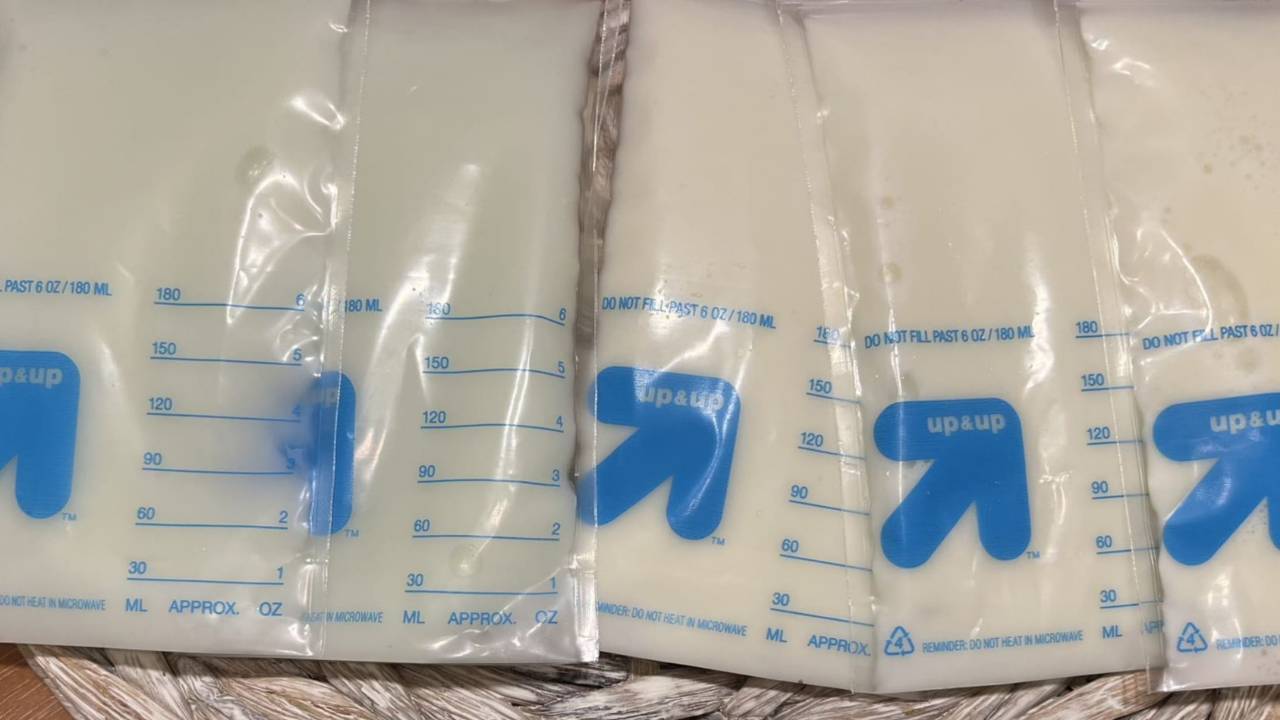
There is a very specific flavor of dread that shows up around week 4 postpartum, right when maternity leave starts coming to an end (because god forbid the US value mothers and newborns). The question I most commonly get as a lactation counselor and doula in this time period is: "How am I supposed to keep my supply up, pump enough milk for a full day away from my baby, AND do my actual job, without completely losing my supply?"
Before we dive in, I want you to take a deep breath. This is overwhelming, but it is doable. Let's talk through it.
Start with the math, once, and then stop doing math
Roughly speaking, you want to pump about as often as your baby eats during the hours you'll be apart. If baby's with a caregiver for 9 hours and eats every 3, that's about 3 sessions. That's it. That's the whole equation. You do not need to recalculate this daily based on how many ounces came out of the pump yesterday, because pump output is a notoriously unreliable narrator, more on that below.
Pump output is not a supply report card
I need you to hear this before you go back to work, not after. A pump, even an expensive hospital grade one, is not as efficient at removing milk as your actual baby. ESPECIALLY when the pump flange isn't fitting properly. Getting less at the pump than you expect does not mean your supply is dropping. It means pumps are pumps and babies are babies. Please do not let two ounces at 2pm ruin your entire afternoon.
Build a small buffer before you go back, but don't panic pump
You don't need a chest freezer full of milk to survive your first week back. A buffer of a few days worth is genuinely plenty for most people, since your body will be making fresh milk daily once you're back on a pumping routine. Starting an extra pump session a day, about two to three weeks before your return date, is usually enough. Another strategy to collecting would be to pump on one side, and breastfeed on the opposite side! That way you don't have to squeeze additional sessions in.
The schedule that actually works, not the one on TikTok
Pump around the same times your baby would normally nurse, as closely as your job allows. If you can, feed right before you'd normally get separated (like right before drop off) and right after you're reunited, since that keeps supply and demand talking to each other. A consistent time each day matters more than a perfect number of minutes.
Talk to your workplace before you need to, not during a crisis in a supply closet
You are legally entitled to reasonable break time and a private space that is not a bathroom, thanks to federal law. Have this conversation with HR or your manager before your first day back, not while you're standing in a hallway holding a pump bag and looking for somewhere to hide. Know where your space is, know the wifi password if you're using an app, and know who to ask if something changes.
The emotional part nobody prepares you for
Pumping at work is not just logistics. It can feel strange, even a little grief adjacent, to be sitting in a room hooked up to a machine while your baby is somewhere else entirely. That feeling is incredibly common, and sucks. It does not mean you made the wrong choice going back to work, and it does not mean something is wrong with your bond. It just means you're a person having a very reasonable reaction to a genuinely weird modern situation.
A few small things that make a real difference
Hands free pumping bra, so you can actually answer an email or eat lunch with both hands. A photo or video of your baby pulled up during sessions, since oxytocin genuinely responds to that. Snacks and water within reach, because you will forget both otherwise. And grace. So much grace, for the days a session gets skipped or output looks low.
If supply does start dipping
A few short term dips are normal, especially the first week or two of a new schedule. If it's persistent, adding one extra session, power pumping for a few days, or checking in with a lactation consultant about flange fit or pump settings usually solves it faster than panic ever will.
If you want a real plan built around your actual return to work date, instead of guessing your way through it with conflicting advice from six different apps, that's exactly the kind of thing we work through together during my 1:1 Virtual Lactation Consults - so we can address your specific issue together.
Happy you're here,
Kyndrick
We hate SPAM. We will never sell your information, for any reason.